Santerpaws Saturday Special Delivery — Welcome Home, Little Travellers
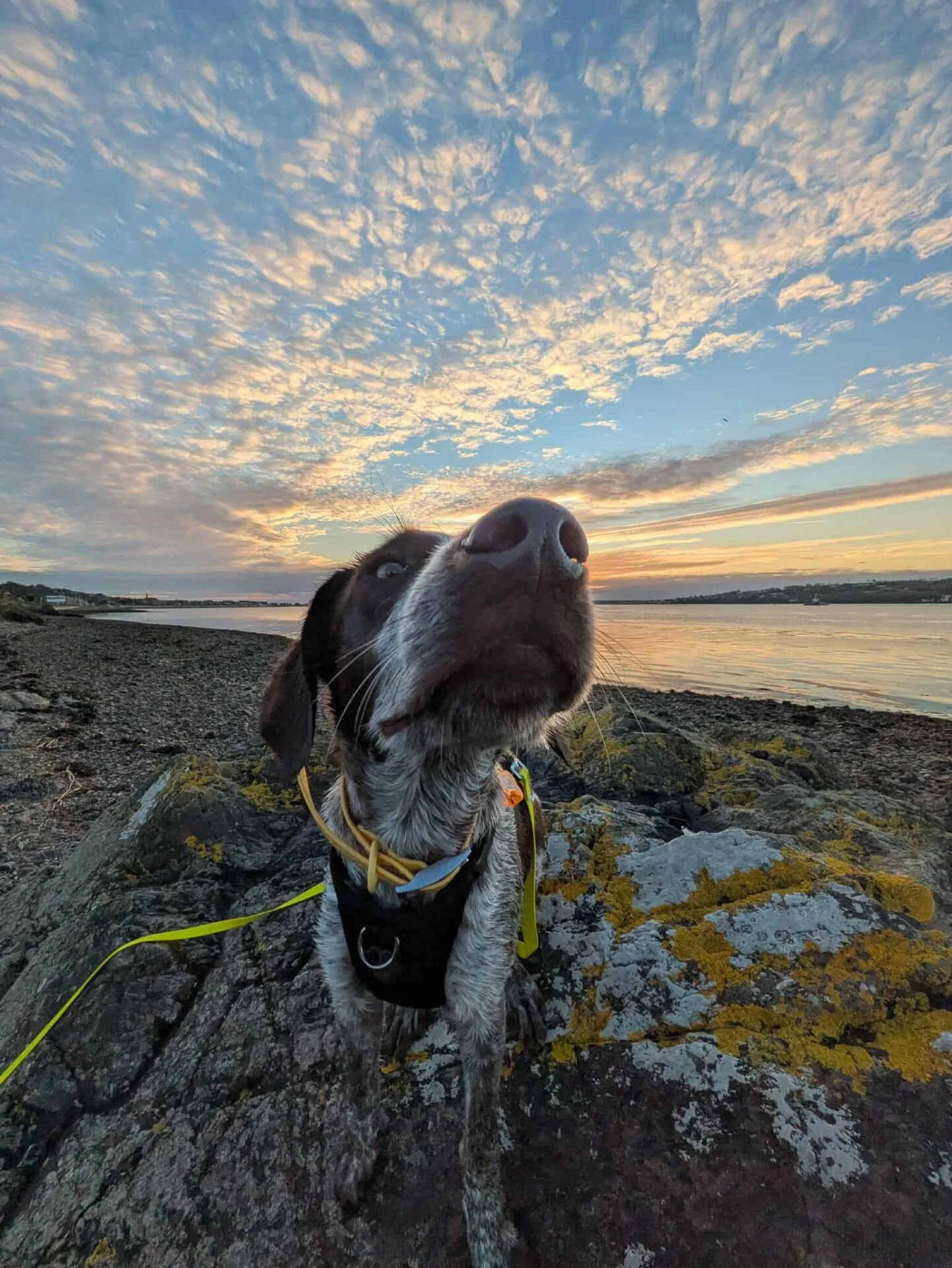
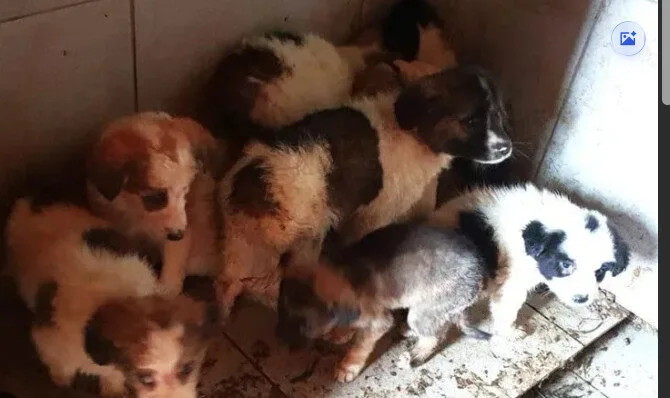
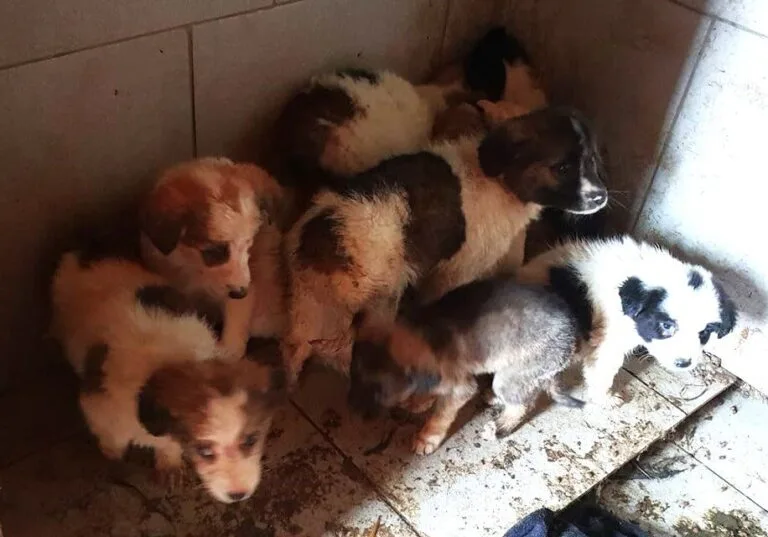
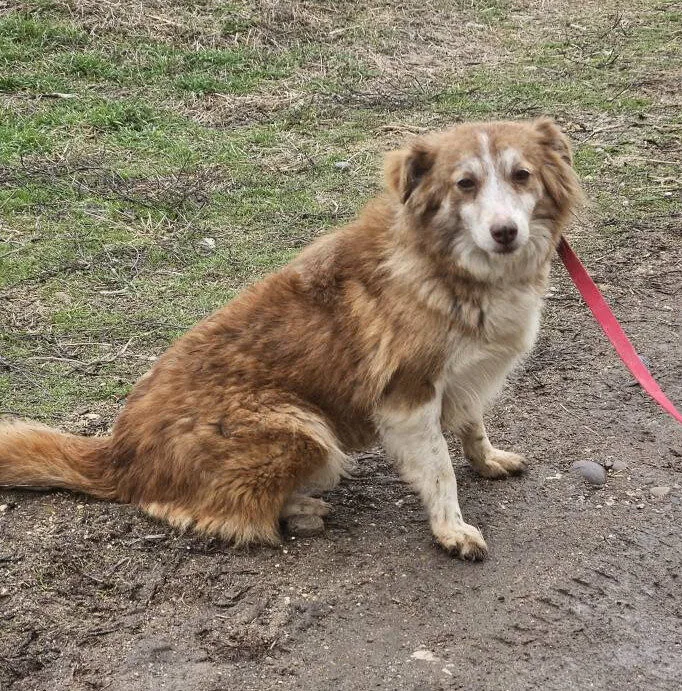
Saturday was one of those magical transport days that remind us exactly why we do what we do. As the van doors opened, a wave of wagging tails, bright eyes,…
On village roads and in busy cities, you’ll often see dogs navigating life on their own. Some were born on the street, others were once owned and later abandoned. Many are friendly, many are fearful, and nearly all of them face the same risks: hunger, disease, road traffic, and cruelty.
Since the late 1990s, Bulgaria’s stray population has grown and shifted with the economy and with pet ownership trends. In 2008, new animal welfare laws ended mass culling and encouraged humane control methods. That change saved lives—but it also meant communities now needed the resources and will to do the right things: neuter, vaccinate, register, and rehome. In some places that’s working; in others, funding and enforcement are still catching up. The result is uneven progress and thousands of dogs still living without a safe home.
Unplanned litters and limited neutering — When families can’t access or afford neutering, puppies are born faster than homes can be found.
Abandonment — Economic pressure and poor regulation mean unwanted dogs are sometimes left to fend for themselves.
Patchy local services — Municipal programmes exist, but they vary widely from town to town. Where clinics and outreach are strong, numbers fall. Where they’re not, strays quickly rebound.
Street dogs learn to survive, but survival is hard. Common challenges include parasites, injuries, and viral disease; cold winters and hot summers take a toll; and friendly dogs are vulnerable to road traffic and neglect. Even when municipalities catch and hold dogs, overcrowded shelters can mean long stays with little chance of adoption.
The proven path is Catch–Neuter–Vaccinate–Return (CNVR) in combination with responsible ownership: microchipping, registering, and keeping dogs safely at home. Where those pieces come together—plus active adoption and education—street numbers fall and public safety improves. It takes consistency, funding, and trust within the community.
Rescue & rehabilitation — We bring vulnerable dogs off the streets and into safety, arranging veterinary checks and ongoing care.
Neutering & vaccination — We prioritise spay/neuter to stop the cycle and vaccinate to protect against preventable disease.
Rehoming — When a dog is ready, we match them with carefully vetted adopters. Many find loving homes in the UK and across Europe.
Support for adopters — Guidance doesn’t stop on adoption day. We provide advice and a supportive community to help each placement succeed.
Community outreach — We work within our village and surrounding areas to encourage responsible ownership and to help owners access neutering.
Each rescued, neutered, and rehomed dog is a win—for that dog and for the whole community. But there are always more waiting. Donations fund food, vet care, and neutering campaigns. Fostering opens a space for the next dog in need. Sharing our posts helps the right adopter see the right dog at the right time.
If you’d like to talk about adopting, fostering, donating, or partnering with Santerpaws, please get in touch. Together, we can turn “Bulgaria’s dog problem” into Bulgaria’s dog‑care success story.